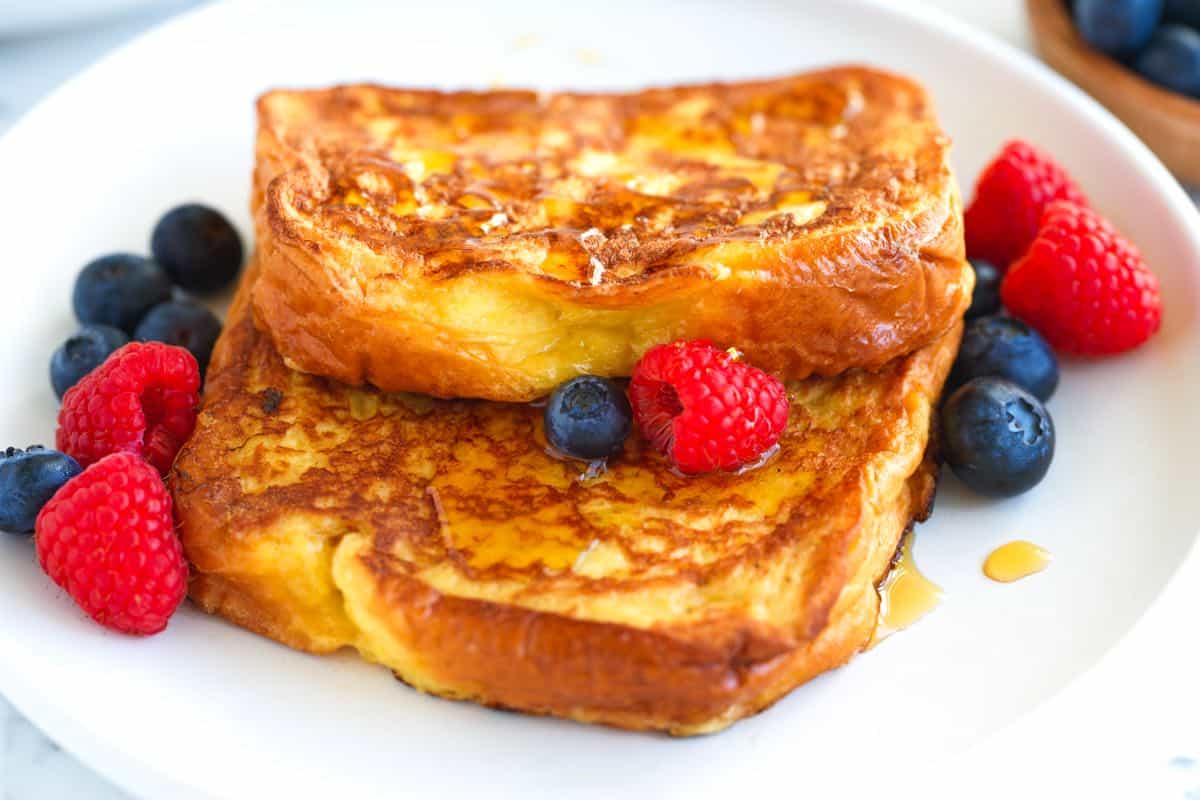
Unlock the Secret to the Best French Toast Every Time: Why Stale Bread & Heat Reign Supreme
Few breakfast dishes evoke such widespread delight as perfectly cooked French toast. With its golden, crispy exterior giving way to a warm, custardy center, it’s a timeless classic that promises comfort and satisfaction. While often perceived as a simple dish, achieving that ideal balance of texture and flavor consistently requires understanding a few critical principles. This article will delve into the often-overlooked heroes of truly magnificent French toast: the quality and preparation of your bread, and the precision of your cooking heat. Master these, and you’ll be making the
best French toast your kitchen has ever seen.
The Unsung Hero: Why Stale Bread is Your Secret Weapon for the Best French Toast
Forget everything you thought about using fresh ingredients – when it comes to French toast, stale bread is your best friend. This might sound counterintuitive, but it's perhaps the most crucial tip for transforming good French toast into great.
Here’s why stale bread is non-negotiable for the
best French toast:
*
Optimal Absorption: Fresh bread, with its higher moisture content, quickly turns mushy when soaked in custard. It saturates too fast, leading to a flimsy slice that struggles to hold its shape and often falls apart in the pan. Stale bread, having lost moisture, becomes incredibly "thirsty." This allows it to absorb the custard slowly and thoroughly, like a sponge, without disintegrating.
*
Texture Transformation: The goal is a delightful contrast: a firm, golden-brown crust and a soft, yielding interior. Stale bread facilitates this by preventing over-saturation. When cooked, the custard inside sets beautifully, while the bread's structure holds up, crisping magnificently on the outside.
So, what kind of stale bread should you use?
Almost any bread can be elevated, but some varieties are naturally better suited due to their robust structure and richer flavor. Consider:
*
Brioche or Challah: These are often considered the gold standard due to their enriched dough, which results in a tender crumb and buttery flavor that perfectly complements the sweet custard.
*
Sourdough: For a tangier, more sophisticated profile, sourdough offers a great chew and sturdy structure.
*
Texas Toast or Pullman Loaf: Thicker slices are key for a substantial, satisfying piece of French toast.
If you don't have stale bread on hand, don't fret! You can easily achieve this state by slicing your bread the night before and leaving it uncovered on the counter, or by giving fresh slices a quick, light toast in the oven or toaster until slightly dried out but not browned. This pre-toasting step further enhances the bread's capacity to soak up that delicious custard, setting the stage for perfectly structured French toast.
Crafting the Custard: Beyond Basic Ingredients for Irresistible French Toast
While bread is the canvas, the custard is the vibrant paint that brings your French toast to life. The basic components are simple – eggs and a liquid – but a few thoughtful additions and careful ratios can elevate your custard from ordinary to exceptional.
*
The Liquid Base: This is where richness is built.
*
Milk: Standard whole milk offers a good balance.
*
Heavy Cream: For unparalleled decadence and a truly custardy interior, heavy cream or a half-and-half blend is highly recommended.
*
Plant-Based Milks: Almond, oat, or soy milk can be excellent alternatives, especially if seeking a dairy-free option. Just ensure they are unsweetened to control the overall sweetness of your dish.
*
Tip: The ratio of eggs to liquid is crucial. Too much liquid and your custard will be thin and watery; too many eggs and it becomes dense and eggy. Aim for a ratio that allows the bread to become a "heavy, sodden sponge" without being raw egg soup. A good starting point is usually 2 large eggs per 1/2 cup of liquid, adjusting based on desired richness.
*
Flavor Infusion: These are the ingredients that make your French toast sing.
*
Sweetness: Granulated sugar, maple syrup, honey, or brown sugar can be whisked directly into the custard. Remember that many toppings are sweet, so don't overdo it in the custard.
*
Spices & Extracts: Vanilla extract is a classic for a reason, adding warmth and depth. Ground cinnamon is another staple. Consider a pinch of nutmeg, a dash of almond extract, or even a subtle hint of orange zest for an unexpected brightness. A tiny pinch of salt in sweet custards can also surprisingly enhance all the other flavors.
*
Savory Twists: Don't limit French toast to sweet! For a savory twist, experiment with grated Parmesan cheese, fresh herbs like chives or parsley, black pepper, or even a dash of mushroom powder for an umami kick.
*
Expert Tip: If adding chunky ingredients like mashed banana or finely diced fruit, blend them thoroughly into the custard using an immersion blender to ensure an even distribution and smooth texture.
The Art of the Soak: Imbuing Every Slice with Custardy Goodness
Once your impeccable custard is ready, the next step is to prepare your stale bread for its flavorful transformation. This isn't a race; patience here pays off.
*
Choose Your Vessel: A shallow sheet pan or baking dish is ideal for soaking. It provides ample surface area, allowing you to lay slices flat and ensure even saturation without overcrowding.
*
Soaking Technique: Pour your custard into the dish. Place your bread slices into the custard, pressing down gently to submerge them. Turn the bread over several times to ensure both sides are thoroughly coated and absorbing the liquid. The goal is for the bread to feel like a "heavy, sodden sponge"—saturated but still holding its form. Avoid rushing this step. For thicker slices, it might take a few minutes per side, while thinner slices will soak up faster.
*
Make-Ahead Magic: For busy mornings, soaking your bread overnight in the refrigerator is a brilliant strategy. Simply cover the dish with plastic wrap after soaking and let it rest. The prolonged soak will result in an even more intensely custardy interior, ready for a quick fry in the morning. This technique truly helps you achieve
French Toast Secrets: Mastering Soaking, Frying, and Flavor.
Mastering the Heat: Frying Your Way to Golden, Custardy French Toast
You’ve got the perfect stale bread and the flavorful custard, but the final, most critical step in creating the
best French toast is how you cook it. This is where the "heat matter" part of our title truly shines, dictating the outcome of your texture.
*
The Goldilocks Zone of Heat: The biggest mistake home cooks make is using heat that's either too low or too high.
*
Too High: If your pan is screaming hot, the outside of your French toast will burn to a crisp before the custard inside has a chance to cook through and set. You’ll end up with a raw, gooey center.
*
Too Low: A heat that's too gentle means the bread will slowly dry out, and you’ll miss out on that beautiful golden-brown crust, resulting in a soggy, pale piece of toast.
*
Just Right: The sweet spot is medium to medium-high heat. This temperature allows the exterior to gradually caramelize to a rich, golden brown while simultaneously providing enough heat to cook the custard all the way through, creating that beloved custardy texture.
*
The Fat Factor: Using the right fat for frying not only prevents sticking but also imparts flavor and contributes to that desirable crispy edge.
*
Butter: Unsalted butter offers unparalleled flavor and contributes to a beautiful golden crust. Be mindful that butter can burn quickly at high temperatures.
*
Oil + Butter: For a higher smoke point and to prevent burning, consider a mix of butter and a neutral oil like grapeseed, avocado, or canola. The oil raises the smoke point, while the butter adds flavor.
*
Technique: Melt about 1 tablespoon of butter (or butter/oil mix) per batch in your chosen pan – a cast iron skillet or a heavy-bottomed non-stick pan are excellent choices. Ensure the fat coats the entire surface of the pan.
*
Cooking Time & Cues:
* Place your soaked bread slices into the hot pan, leaving some space between each slice. Don't overcrowd the pan, as this can lower the pan's temperature and lead to steaming rather than frying.
* Cook for approximately 2 to 3 minutes per side. Look for visual cues: a deep golden-brown color, and a slight puffiness indicating the custard is setting. You might also notice steam gently escaping from the edges.
* Once flipped, continue cooking until the second side is equally golden and the center feels firm when gently pressed.
Mastering this heat control is the defining element in achieving
How to Make the Best French Toast: Crispy, Custardy Perfection.
Elevation & Enjoyment: Toppings and Serving Suggestions
Even the
best French toast can be made even better with the right accompaniments. While traditional maple syrup and powdered sugar are always a hit, don't hesitate to get creative:
*
Classic Combinations: Warm maple syrup, a dusting of powdered sugar, a dollop of fresh whipped cream, or a pat of sweet cream butter.
*
Fresh Fruit: Sliced berries (strawberries, blueberries, raspberries), caramelized bananas, sautéed apples with cinnamon, or sliced peaches add freshness and natural sweetness.
*
Creamy Indulgences: Greek yogurt, crème fraîche, or even a scoop of vanilla ice cream for a dessert-like experience.
*
Crunch & Texture: Toasted nuts (pecans, walnuts, almonds), granola, or a drizzle of chocolate sauce.
*
Savory Pairings: If you made savory French toast, pair it with crispy bacon, a fried egg, or even smoked salmon and cream cheese.
Stack your golden slices high, garnish beautifully, and serve immediately for the ultimate French toast experience.
The Perfect French Toast Awaits
Achieving the
best French toast every single time is not a matter of luck, but of understanding and respecting a few key principles. By starting with properly stale bread, crafting a rich and flavorful custard, allowing for a patient and thorough soak, and meticulously controlling your cooking heat, you unlock the full potential of this beloved breakfast dish. These techniques ensure that coveted contrast of crispy exterior and luscious, custardy interior, making every bite a celebration. So go ahead, grab that slightly firm loaf, whisk up your custard, and get ready to create French toast perfection in your own kitchen.