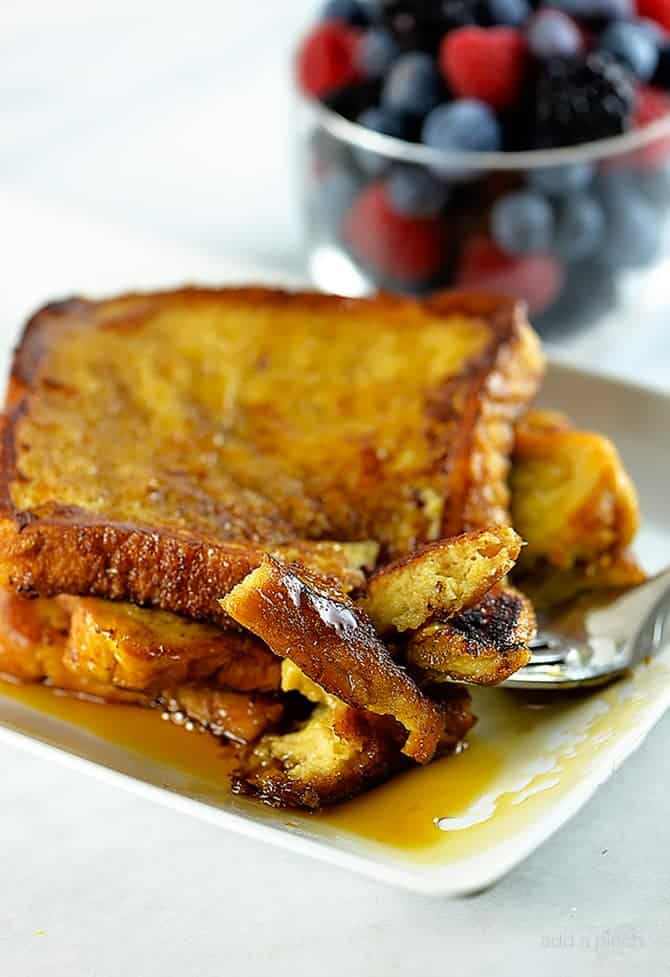
How to Make the Best French Toast: Crispy, Custardy Perfection
There are few breakfast or brunch dishes as universally beloved as French toast. The thought alone conjures images of golden-brown slices, steaming gently, ready to be adorned with maple syrup and fresh berries. But while it might seem like a simple dish, achieving that elusive combination of a perfectly
crispy exterior and a lusciously
custardy interior is an art. It’s a delicate balance that separates good French toast from the absolute best. If you're tired of soggy centers or burnt edges, you're in the right place. We're about to unlock the secrets to crafting the best French toast you've ever tasted, transforming humble ingredients into a breakfast masterpiece.
The Foundation: Choosing Your Ingredients Wisely
The journey to the best French toast begins long before the pan hits the heat. It starts with selecting the right components, as each plays a critical role in the final texture and flavor.
Bread: The Unsung Hero (and Why Stale is Your Best Friend)
The most crucial ingredient might just be the bread, and counter-intuitively,
stale bread is paramount. Fresh bread, with its soft, yielding crumb, will rapidly absorb the custard and quickly fall apart during cooking, leading to a soggy, unappealing result. As culinary experts often explain, stale bread provides the necessary structure to soak up the custard without disintegrating. It’s "thirstier" and can hold its shape, ensuring your French toast has that desirable custardy core.
*
Ideal Varieties: While any bread can theoretically work (even gluten-free!), some types are superior.
*
Brioche: Rich, eggy, and slightly sweet, brioche creates an incredibly tender and flavorful French toast.
*
Challah: Similar to brioche but often less sweet, challah offers a dense crumb that soaks beautifully.
*
Sourdough: For those who prefer a tangier note, sourdough provides a wonderful contrast to sweet toppings and holds up exceptionally well.
*
Texas Toast: Thick-cut white bread can also be excellent, offering ample surface area for crisping and a generous interior for custard.
*
Staling Your Bread: If you don't have stale bread on hand, you can achieve it quickly. Slice your bread about 3/4 to 1 inch thick and lay it out on a wire rack overnight, or bake it in a 250°F (120°C) oven for 10-15 minutes until it's slightly dry but not toasted or browned. For more insights into this critical step, explore
Perfect French Toast Every Time: Why Stale Bread & Heat Matter.
The Custard Components: Eggs, Dairy, and Sweetness
The custard is where the magic happens, infusing the bread with richness and flavor.
*
Eggs: The binding agent. Use large eggs for consistency. A good ratio is typically 2-3 eggs per cup of liquid. Too many eggs can make your French toast taste like an omelet, while too few will result in a weak custard that doesn't set properly.
*
Dairy: This dictates the richness and creaminess.
*
Heavy Cream: For the most indulgent, custardy experience, heavy cream is unparalleled.
*
Whole Milk: A classic choice, offering a balanced richness.
*
Half-and-Half: A good compromise between cream and milk.
*
Plant-Based Milks: Almond, oat, or soy milk can be used for dairy-free alternatives, though they may yield a slightly less rich result.
*
Sweeteners:
*
Granulated Sugar: A common choice, helping with caramelization.
*
Maple Syrup or Honey: Can be incorporated directly into the custard for depth of flavor, though you may want to reduce the overall liquid slightly to maintain custard consistency.
Crafting the Custard: Flavor, Consistency, and Customization
Once you have your core ingredients, it's time to build your custard. This is where you can truly personalize your French toast.
The Perfect Ratio and Flavor Profile
A robust custard is essential for that signature custardy interior. A general guideline is around 2-3 large eggs to 1 cup of dairy. Whisk them thoroughly until the yolks and whites are fully incorporated and the mixture is uniform.
Now, for the flavorings:
*
Classic Enhancements:
*
Vanilla Extract: A staple for warmth and sweetness. Pure vanilla extract offers the best flavor.
*
Ground Cinnamon: A comforting spice that pairs perfectly with the sweetness. Nutmeg is another excellent addition.
*
Pinch of Salt: Don't skip this! A tiny amount of salt balances the sweetness and enhances all the other flavors.
*
Creative Twists:
*
Citrus Zest: A touch of orange or lemon zest can brighten the flavor profile beautifully.
*
Liqueurs: A splash of Grand Marnier, Kahlua, or rum can add sophisticated depth for an adult brunch.
*
Savory French Toast: Don't limit yourself to sweet! Try adding grated Parmesan cheese, a sprinkle of garlic powder, fresh parsley, and a dash of black pepper to your custard. This makes an incredible base for toppings like a fried egg and bacon, or even roasted vegetables. If you're feeling adventurous, a hint of mushroom powder can add an unexpected umami depth.
*
Blending Chunky Ingredients: If you're adding anything chunky like mashed banana or finely diced fruit, an immersion blender is incredibly helpful to ensure a smooth, consistent custard that evenly coats the bread.
The Art of the Soak: Why Time and Technique Matter
This is arguably the most critical step for achieving that custardy center. Rushing the soak is a common mistake that leads to dry French toast.
*
The Right Vessel: Pour your prepared custard into a shallow baking dish, pie plate, or a rimmed sheet pan. This allows the bread to lie flat and soak evenly.
*
Submergence and Time: Place your stale bread slices into the custard, ensuring they are fully submerged. Turn them over several times to coat both sides thoroughly. The duration of the soak depends on the thickness and staleness of your bread:
*
Thinner/Less Stale Bread: 30 seconds to 1 minute per side.
*
Thicker/Staler Bread: 2-5 minutes per side, or even longer.
*
The Overnight Advantage: For the ultimate custardy experience and a make-ahead breakfast, consider soaking your bread overnight. Place the bread in the custard, cover the dish tightly with plastic wrap, and refrigerate. This extended soak allows the bread to fully absorb the liquid, ensuring maximum creaminess.
*
The "Sodden Sponge" Test: How do you know when it's perfectly soaked? The bread should feel heavy, like a saturated sponge. It might even "dribble a bit" when lifted, indicating it's fully saturated. Don't be afraid to give it time; a well-soaked slice is the secret to a melt-in-your-mouth interior. For more expert guidance on this crucial step, delve into
French Toast Secrets: Mastering Soaking, Frying, and Flavor.
Pan-Frying for Perfection: Heat, Fat, and the Golden Hue
Now it's time to bring everything together in the pan, creating that irresistible crispy exterior.
*
The Right Fat:
*
Butter: Provides unparalleled flavor and helps achieve a beautiful golden crust. However, butter can burn quickly.
*
Clarified Butter (Ghee): An excellent choice as it offers the flavor of butter with a higher smoke point, reducing the risk of burning.
*
Butter and Oil Blend: A common and effective strategy is to use a tablespoon of butter mixed with a teaspoon of neutral oil (like canola or grapeseed). The oil raises the smoke point, preventing the butter from burning while still imparting its rich flavor.
*
Quantity: Use enough fat to lightly coat the bottom of the pan, about 1-2 tablespoons per batch, adding more as needed.
*
Heat Control is King: This is where many home cooks falter.
*
Medium to Medium-High Heat: This is the sweet spot. Too low, and the bread will absorb too much fat and become greasy without crisping. Too high, and the outside will burn before the custard inside has a chance to cook through and set.
*
Preheat Your Pan: Always preheat your skillet or griddle before adding the French toast. A well-heated pan ensures even cooking and prevents sticking.
*
Cooking Time: Fry the soaked bread for approximately 2-3 minutes per side. Look for a rich, golden-brown color and a firm texture. The goal is to allow the exterior to crisp and caramelize while the internal custard cooks through. If you notice the edges browning too quickly, slightly reduce the heat.
*
Batch Cooking and Keeping Warm: Cook French toast in batches, ensuring not to overcrowd the pan. Overcrowding lowers the pan temperature and prevents proper browning. As batches are done, transfer them to a wire rack set on a baking sheet in a preheated oven at its lowest setting (around 170-200°F / 75-90°C) to keep them warm and crispy until all slices are ready to serve.
Finishing Touches: Toppings and Serving Suggestions
The best French toast is undeniably delicious on its own, but the right toppings elevate it from great to extraordinary.
*
The Classics:
*
Pure Maple Syrup: Accept no substitutes! Warm, high-quality maple syrup is non-negotiable for an authentic experience.
*
Powdered Sugar: A delicate dusting adds a touch of sweetness and an elegant finish.
*
Fresh Fruit: Berries (strawberries, blueberries, raspberries), sliced bananas, or peaches add freshness, color, and a natural sweetness.
*
Whipped Cream: Homemade whipped cream (unsweetened or lightly sweetened) adds a luxurious, airy texture.
*
Sweet Cream Butter: A dollop of good quality butter melting on top enhances the richness.
*
Creative Toppings:
*
Fruit Compotes: Homemade berry, apple, or peach compotes bring vibrant flavor.
*
Nutella or Chocolate Sauce: For an indulgent, dessert-like experience.
*
Toasted Nuts: Pecans, walnuts, or almonds add a delightful crunch.
*
Bacon or Sausage: For those who love a sweet and savory contrast, crispy bacon or breakfast sausage are perfect accompaniments.
*
Yogurt and Granola: For a slightly healthier, yet still delicious, option.
Serve your French toast immediately while it's still warm and crispy. Pair it with a steaming cup of coffee or a glass of fresh orange juice for the ultimate breakfast or brunch spread.
Conclusion
Making the best French toast isn't just about following a recipe; it's about understanding the nuances of each step. From selecting the right stale bread to mastering the perfect soak and controlling the heat in your pan, every decision contributes to that glorious crispy exterior and custardy interior. By paying attention to these details and experimenting with flavors, you'll consistently create French toast that not only satisfies cravings but genuinely impresses. So go ahead, gather your ingredients, take your time, and prepare to indulge in the crispy, custardy perfection of homemade French toast. Your taste buds will thank you!